US markets are facing a rare dual macro squeeze: long-term Treasury yields are at their highest level since 2007 while an escalating Strait of Hormuz crisis is pushing oil above $91 per barrel. That combination threatens to pressure both bond prices and equity valuations at the same time, leaving traders with fewer obvious defensive havens.
The immediate message is blunt. Higher yields raise the discount rate applied to future corporate cash flows, while more expensive oil can intensify inflation concerns and weigh on economic growth. With the S&P 500 near 7,794.25, collapsing prediction-market odds of a higher open and fading momentum suggest that volatility could surge if either pressure worsens.
The bond market is setting the tone
Reuters reported that the 30-year US Treasury yield reached its highest level since 2007. CNBC separately identified three catalysts that could push the long-end yield even higher, underscoring that this may be more than a one-session adjustment. The central issue for traders is whether elevated yields become a persistent valuation headwind rather than a temporary market disturbance.
That matters directly for $TLT, a widely watched proxy for longer-duration US Treasury exposure. When long-term yields rise, bond prices generally face pressure. The simultaneous jolt in bonds and stocks, as reported by Reuters, is particularly important: it indicates that investors are not simply rotating from equities into Treasuries. Instead, both sides of the traditional portfolio are responding to the same tightening macro narrative.
Hormuz turns an oil move into a growth question
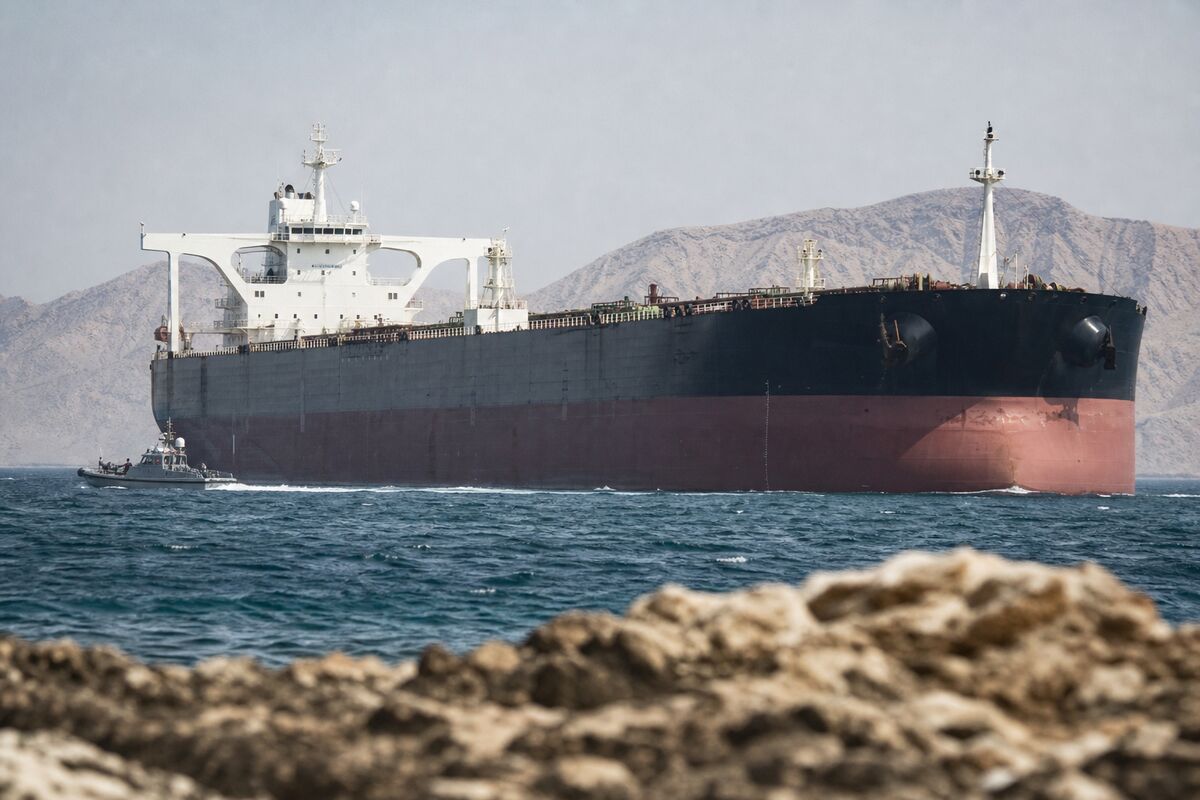
Waning US-Iran peace hopes and the reported closure of the Strait of Hormuz have added a geopolitical shock to the rate story. Iran has stated that Hormuz will remain shut until the United States meets interim deal conditions. Reports also described a vessel strike and crew casualties, raising the stakes around the disruption.
Oil has risen to near three-week highs and reportedly moved above $91 per barrel as markets price in the possibility of a prolonged Hormuz crisis. This is not merely an energy-market headline. A sustained oil increase could reinforce inflation worries, complicate the bond-market outlook and reduce room for valuations that depend on stable financing conditions.
Growth stocks face the sharper valuation test
Growth and technology stocks are especially sensitive to higher yields because a larger share of their valuation may depend on cash flows expected further in the future. That makes $QQQ a relevant proxy for the part of the US equity market most exposed to the rate shock. If yields continue climbing while oil remains elevated, the pressure on technology-led valuations could intensify.
$SPY offers the broader equity-market gauge. Its performance will reflect not only the direct effect of higher discount rates, but also whether energy strength offsets weakness in more economically sensitive and duration-heavy areas. The distinction matters: a narrow rotation may leave the broader index relatively stable, while a simultaneous repricing across sectors would create a more substantial equity event.
Safe havens are not behaving normally
Gold also slipped despite its traditional safe-haven role. That is a telling detail. It suggests that oil and bond yields are dominating the macro narrative, at least for now, and that investors may be prioritizing liquidity and rate sensitivity over conventional crisis positioning.
Technical conditions add another layer. Investing.com flagged the S&P 500 as coiling near 7,794, with momentum waning, while Benzinga reported that Polymarket odds of a higher open collapsed. Neither signal determines the session's outcome, but together they point to a market becoming increasingly sensitive to fresh headlines.
The key catalysts are therefore straightforward: any change in the Hormuz shutdown, further developments in US-Iran negotiations, additional oil gains, and evidence that long-term Treasury yields can extend their advance. As CNBC's analysis of the 30-year yield catalysts makes clear, the bond market remains central to the next move.
Wall Street has seen geopolitical shocks before, but the current setup is less forgiving because bonds and stocks are being challenged together. Traders watching $TLT, $SPY and $QQQ are effectively monitoring one question: whether the yield shock and oil shock remain contained, or develop into a broader repricing of US risk assets.
Bull/Bear Verdict
Bull Case: If Hormuz tensions ease and oil retreats from above $91 per barrel, pressure on long-term yields could moderate, potentially supporting $SPY and reducing the valuation strain on $QQQ.
Bear Case: If the reported Hormuz closure persists while the 30-year yield remains at its highest level since 2007, $TLT could face continued pressure and higher discount rates could weigh more heavily on $QQQ and $SPY.