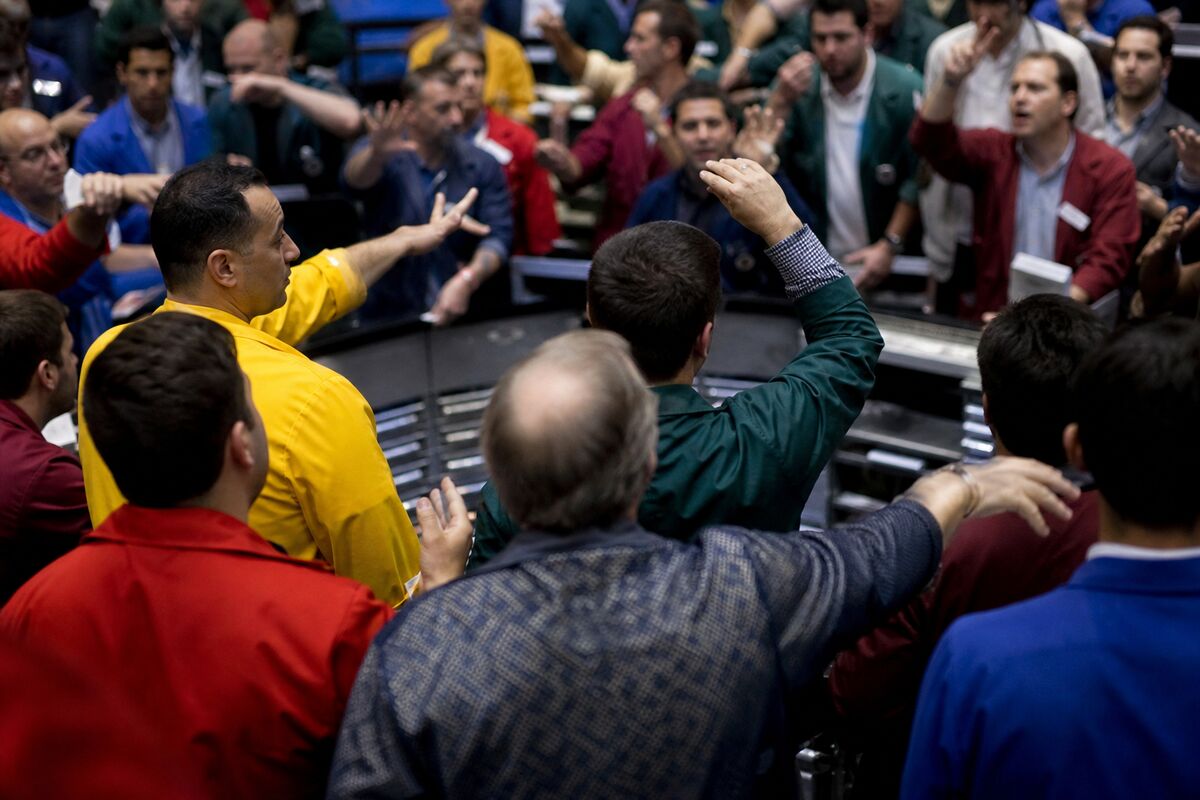
U.S. options trading is moving toward a longer day, and the NYSE’s latest announcement makes clear that this is no longer a niche experiment. The exchange has become the second major U.S. venue to announce extended-hours options trading, following Cboe Global Markets, with the initial focus on heavily traded ETFs and single stocks.
The significance is not simply that investors may gain more access outside traditional U.S. market hours. The bigger issue is what happens to execution quality, liquidity and volatility when options activity is spread across a wider trading window. As the NYSE’s extended-hours plan reflects growing demand for round-the-clock access, exchanges are competing for the order flow that makes markets function.
The market-structure shift
For decades, the core U.S. trading session established the rhythm for price discovery. That structure is already under pressure as investors seek access beyond regular hours, particularly when market-moving information arrives outside the traditional session. The NYSE’s decision to join Cboe suggests that demand for extended access has become too important for major exchanges to ignore.
The emphasis on popular ETFs and single stocks is important. These instruments tend to attract substantial attention from active traders, momentum traders and investors using options strategies to express short-term views or manage exposure. Extending their options sessions could make it easier to respond when conditions change outside regular hours, rather than waiting for the next conventional opening.
That does not mean longer hours automatically produce deeper markets. Liquidity may be more uneven outside traditional sessions, particularly when fewer participants are actively quoting or managing positions. Wider participation could improve the trading environment over time, but the transition may also produce periods in which execution conditions are less consistent than they are during the busiest part of the day.
Liquidity and volatility after hours
Options markets are particularly sensitive to liquidity because pricing depends on active competition among buyers and sellers. A longer session could distribute order flow more continuously, potentially reducing the need for investors to wait for regular hours. It could also allow information to be incorporated into options prices sooner.
At the same time, extended trading may alter the way volatility appears across the day. When fewer participants are engaged, a relatively small amount of order flow may have a larger effect on prices. That could create sharper moves or less reliable indications of underlying demand outside peak hours. For active and momentum traders, the opportunity is greater flexibility; the corresponding challenge is assessing whether a displayed price represents a durable market or a thinner pocket of liquidity.
The fight for order flow
The competitive stakes extend beyond the NYSE and Cboe. Intercontinental Exchange, the parent company associated with the NYSE, and Cboe Global Markets are competing to shape where extended-hours options activity takes place. That contest could influence how liquidity develops, how efficiently orders are executed and which venues become central to the next phase of U.S. options trading.
Competition may encourage exchanges to improve access and attract more participants. But order flow is not just a volume contest. The quality of that flow—its consistency, depth and responsiveness—will matter as much as the number of trades. A market with longer hours but fragmented participation may not deliver the same execution conditions throughout the day.
The NYSE’s move therefore represents both an expansion of access and a test of market design. Investors trading popular ETFs and single stocks outside regular hours may gain additional flexibility, while exchanges face the harder task of building reliable liquidity around the clock. The outcome will likely depend on whether extended sessions attract sustained participation rather than merely extending the clock.
Bull/Bear Verdict
Bull Case: The NYSE joining Cboe as the second major U.S. exchange to announce extended-hours options trading may expand access to popular ETFs and single stocks, potentially attracting more continuous order flow and improving liquidity outside regular sessions.
Bear Case: Longer sessions could leave activity fragmented and liquidity uneven outside traditional hours, which may increase volatility and make execution less consistent even as the NYSE, Intercontinental Exchange and Cboe Global Markets compete for order flow.